
1. In the U.S., you don’t choose the route: it’s granted
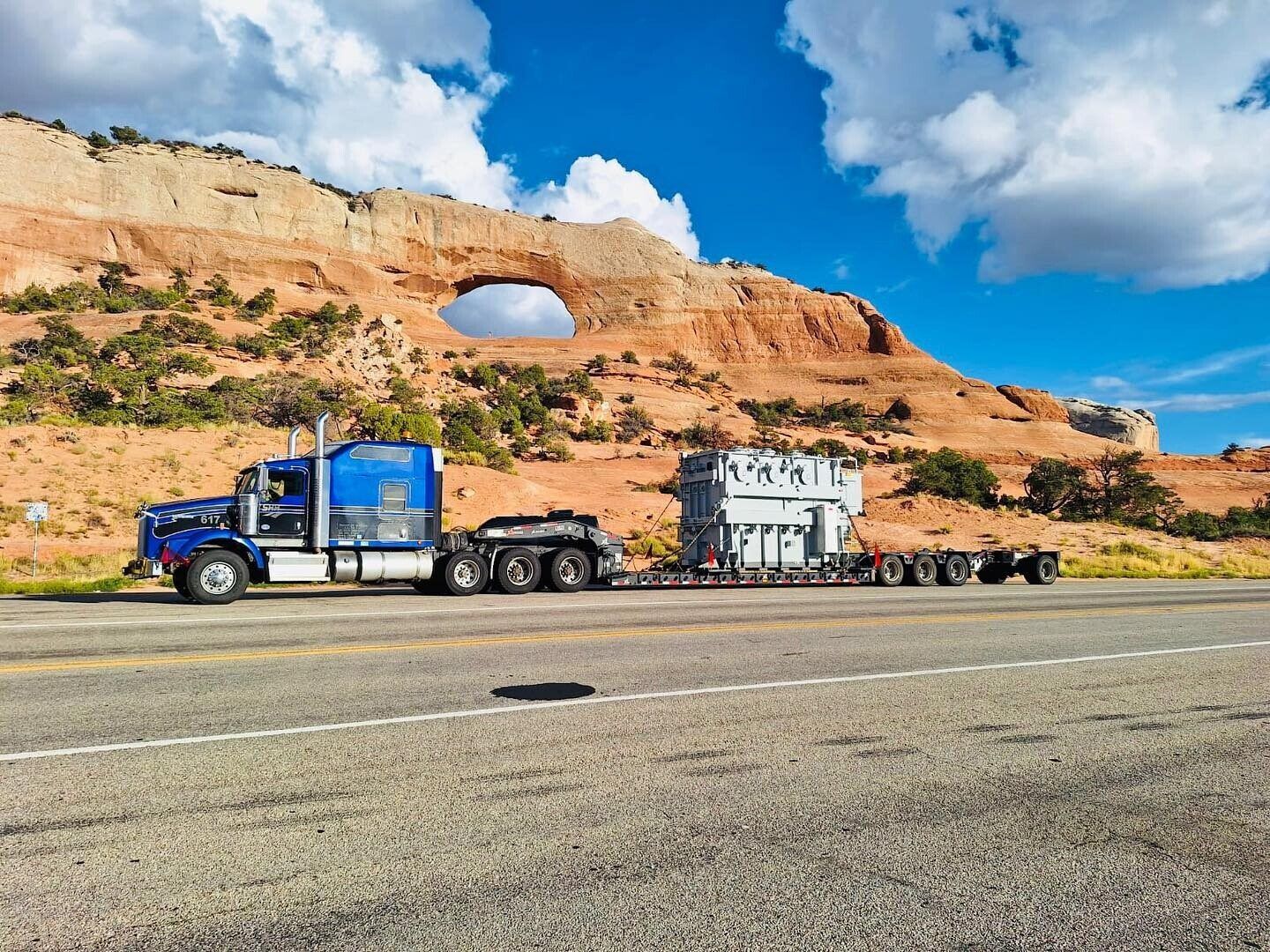
A 361,850 lb transformer on its trailer is far over legal limits. It’s a superload—in Texas, it moves under a Superheavy Single-Trip Permit. Each state reviews the bridges on the way and permits the route for one specific transport configuration: how many axles, how far apart, and how much weight each one carries. Change the transport configuration and you may need a new permit—and sometimes a different route.
So the transport configuration is set from the destination. Southern builds the rig all five states will approve: a pull truck up front, dolly, trailer, the axle count and spacing, and a push truck at the rear. That same transport configuration heads south to Mexico.
2. Southern goes to get it
Under its authority for international freight transportation, Southern’s rig travels into Mexico and loads at the plant. The transformer goes onto the trailer in shipping condition, supported and secured in accordance with the manufacturer's transport requirements, so the transport configuration holds for 1,900 miles.
By then the crossing is already in the works: customs brokers on both sides assemble the export and import paperwork before the transformer leaves the plant.
3. Highway 57: high plains, sierra and gorditas
Querétaro, San Luis Potosí, Matehuala. Travel within the permitted hours, pilot cars front and rear, and planned stops to check the tie-downs. At one of them, on the side of Highway 57, out come gorditas—corn masa pockets stuffed with stew, fresh off the comal—with café de olla. Nobody rushes, because what’s next calls for a cool head: Los Chorros, in the Arteaga mountains, a downgrade that at this weight is run at the speed the plan sets, not the speed the road allows.
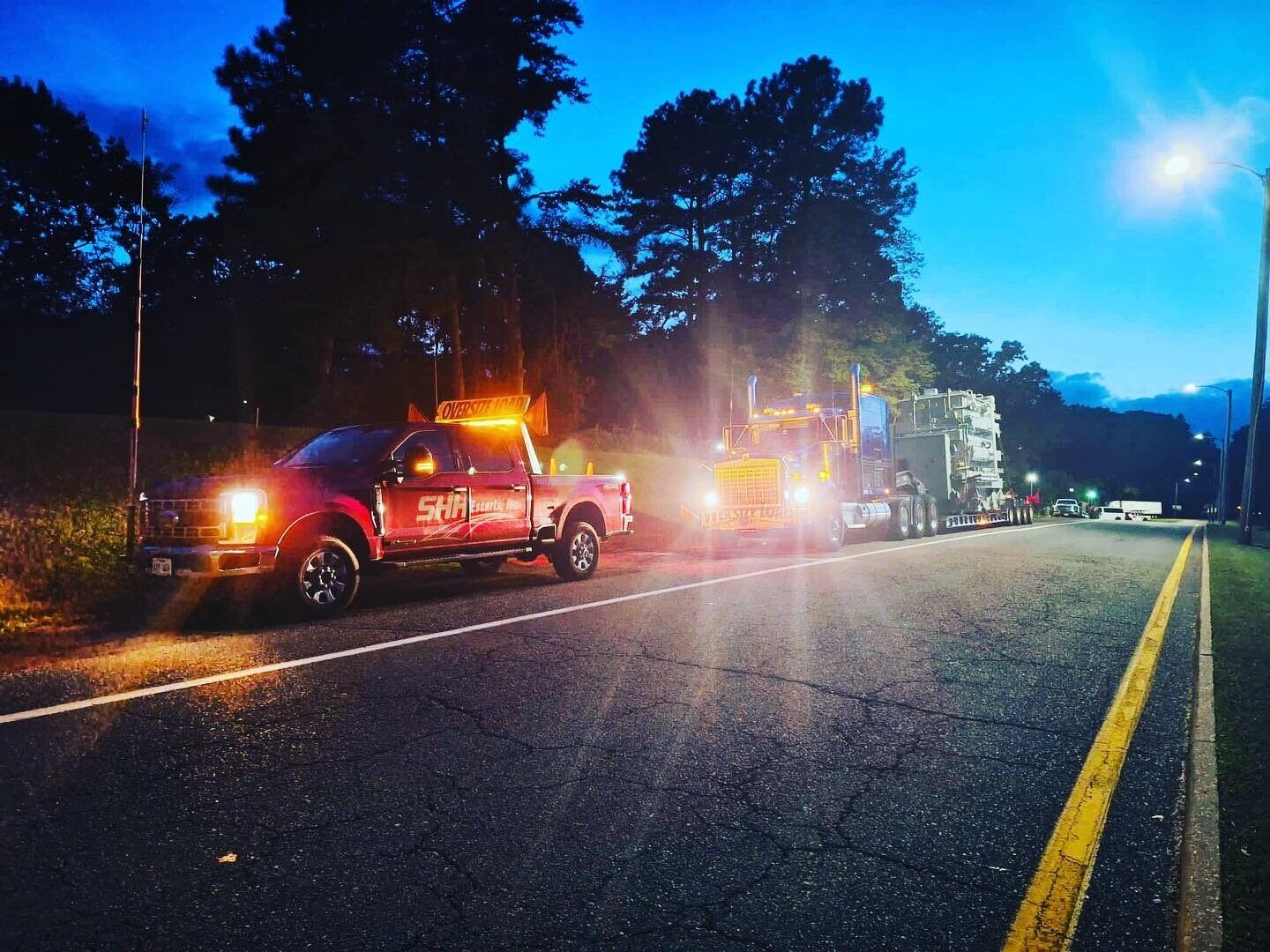
In the mountains you see why there are two trucks. The pull truck leads and the push truck pushes: on the climbs they add traction, and on the descents they add retarding capacity that helps control speed and takes load off the service brakes. The two drivers work as one, and the rig comes down as a single piece, at a steady pace, with the pilot cars leading the way.
4. The crossing, no transload
Nothing comes off at the border. Arrival at Colombia, Nuevo León, is scheduled to match the port’s hours and the Texas permit window.
Even so, every crossing has its own pace. Authorities may inspect the load, and the crew waits as long as it takes. Once released, the same rig that loaded in Mexico City crosses the Rio Grande and continues through Texas. The transformer never leaves its trailer: no transload, no second rigging operation at the border.
5. North on I-35: from the comal to the smoker
In Texas, the convoy follows the route the permit dictates, with escorts and the travel hours each state allows. At one of the stops the menu changes: a smoked brisket sandwich.
Gorditas to the south, brisket to the north. Same rig, same load, another country. Then come Oklahoma, Kansas, Missouri and Iowa: the roads and the authorities change; the plan doesn’t.
6. The last few hundred feet: the substation access
Getting to Iowa isn’t getting there. On the access road to the substation, a small bridge crosses a creek; it wasn’t built for this weight, and there’s no other way in.
Southern spotted it weeks earlier, during the engineering site visits, and the solution went into the plan: a bridge jumper, a temporary steel span set over the existing bridge that carries the load to supports on firm ground at each end, without touching the old structure.
With the engineering approved, the jumper goes in before the transformer arrives. The rig crosses at a walking pace and continues to the offloading area; once the job is done, the structure comes out. The bridge is left exactly as it was.
7. From the trailer to the pad
How to set it wasn’t decided on arrival day either. On those same visits, the customer and Southern walked the offloading area, the ground next to the pad and the working space, and chose the method for that substation: Jack & Slide.
On offload day, SHH Crane & Rigging carries out what was agreed. It jacks the transformer off the trailer, sets the skid beams to the pad and slides it, little by little, onto its foundation in the orientation the project calls for. No large crane, no surprises.
The accessories arrive on separate loads, in time for assembly. The trip ends where the planning began: at the transformer’s pad.
One configuration, one rig, from the plant to the pad.